Main Product
Our company's products are widely sold in multiple countries
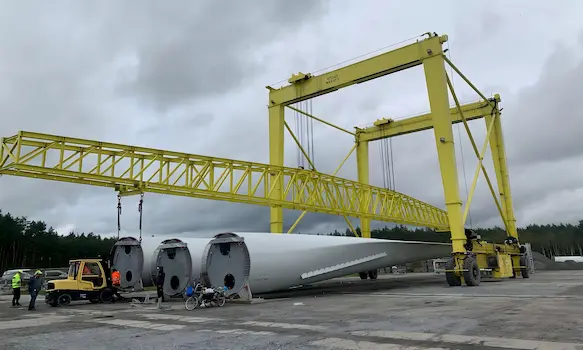
Wind turbine nacelles and heavy components are tough challenges in heavy lifting. They feature irregular shapes, massive weight, and tricky centers of gravity. They are also highly sensitive to vibration and tilting during transport. In selection, many project teams focus only on rated load capacity. As a result, purchased straddle carriers hit structural clearance limits or fail to maneuver due to tight turn radiuses. This article systematically breaks down critical dimensional constraints for handling large wind components with a straddle carrier. We cover product envelopes, clearance matching, static and dynamic load coupling, and site route margins. Whether in early research or scheme design, this provides a rigorous, practical sizing logic. It will help you avoid hidden risks in standard parameter tables.
Need to Evaluate Your Wind Heavy Component Handling Scheme?
Don’t let non-standard sizes and complex road conditions delay your project timeline. Submit your component’s maximum dimensions, weight, and route details like width, height limits, and slope. HSCRANE’s engineering team will provide free 3D spatial envelope simulations and matching straddle carrier options.
[Click to submit project parameters and get your dedicated evaluation scheme]
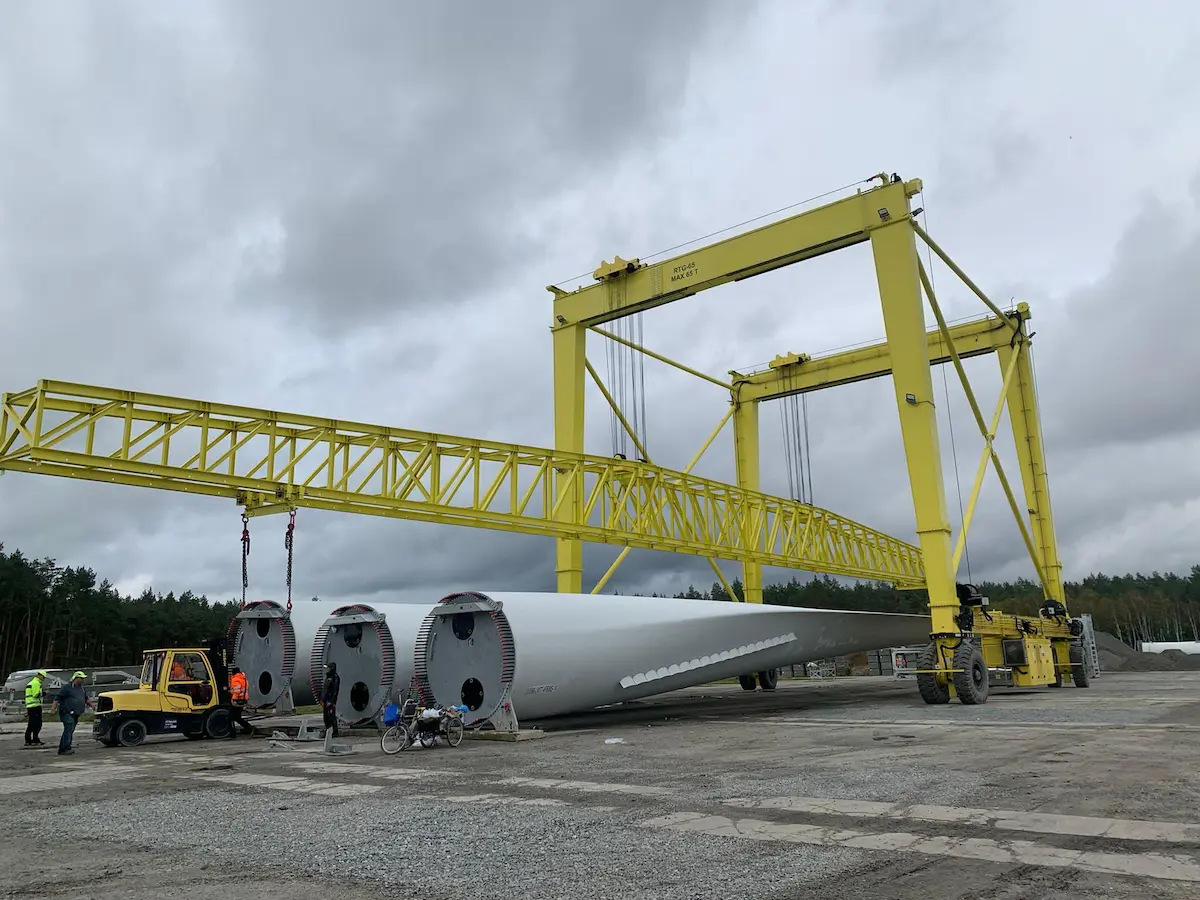
In heavy logistics, project teams often rely solely on load capacity as their key metric when purchasing or renting straddle carriers. However, handling wind turbine nacelles and heavy components differs greatly from standard containers. It is not a simple matter of sufficient payload capacity. Instead, it presents a strict test of spatial geometry and mechanical balance.
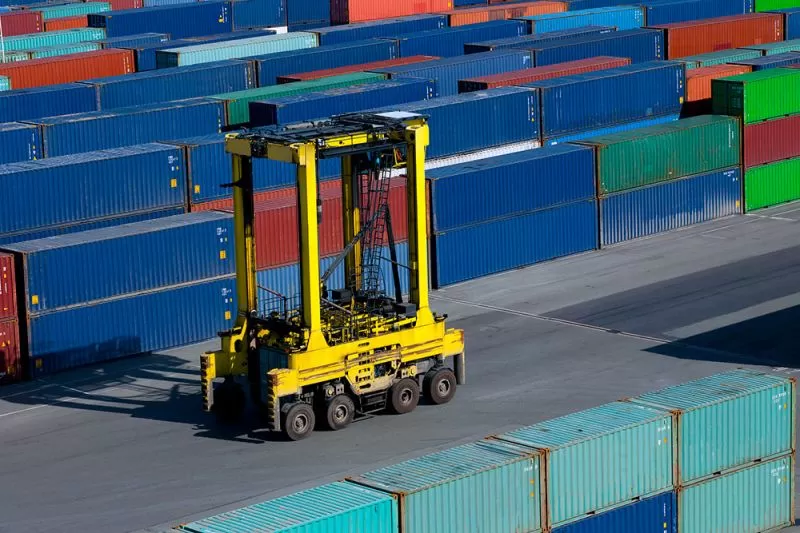
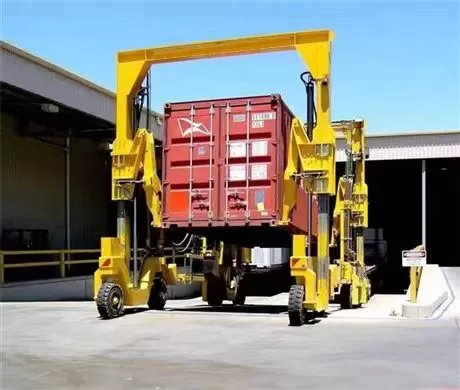
Standard containers like 20ft or 40ft units are highly standardized industrial products. They feature regular shapes, fixed corner castings, and centered centers of gravity. Traditional straddle carriers built for containers design gantry structures, lifting spans, and twistlocks around standard dimensions. In contrast, wind turbine nacelles completely break these conventional rules:
●Extremely irregular shape: The outer shell consists of streamlined or odd-shaped composites, housing dense generators, gearboxes, and converters, creating an irregular 3D polygon profile.
●Numerous protruding parts and accessories: Cooling systems and anemometer brackets sit on top, while torque arms, yaw interfaces, and hydraulic fittings cover the bottom.
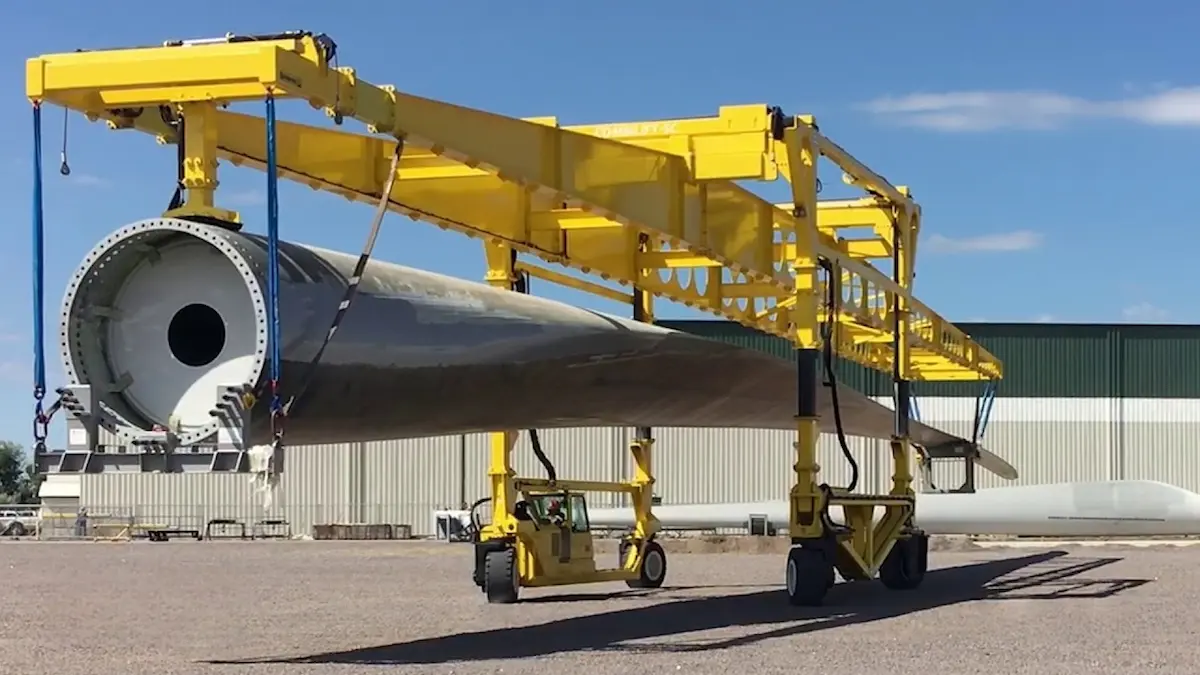
●High risk of spatial interference: Non-standard profiles like top-heavy or offset shapes prevent standard container straddle carrier geometry from applying directly. Without careful planning, bottom protrusions will collide with the straddle carrier gantry during lifting or straddling.
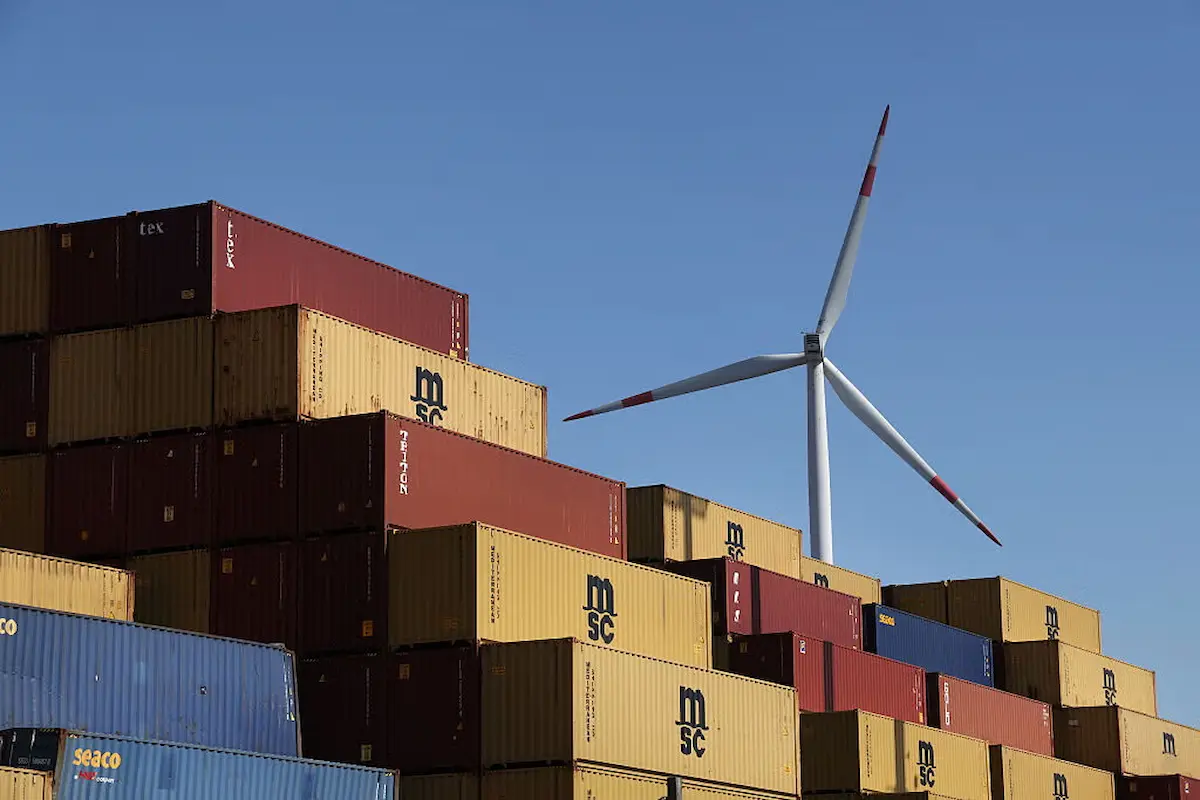
In heavy wind logistics, dimensions, weight, and center of gravity never exist in isolation. They interconnect directly, determining the stability and safety of the straddle carrier during operation. Evaluating weight alone while ignoring dimensions and center of gravity creates severe safety hazards.
|
Evaluation Factor |
Key Metrics to Track |
Interconnection and Impact |
Common Pitfalls |
| Cargo Dimensions | Maximum length, width, height, and attachment envelope | Determines gantry clearance and envelope space; exceeding limits prevents straddling or containment. | Assuming passes are fine as long as the vehicle body clears, ignoring hidden dimensions on top or sides. |
| Total Weight | Gross component weight and rated load margin | Determines structural strength limits for the straddle carrier frame, gantry, and tires. | Believing safety is guaranteed if payload capacity exceeds weight, ignoring dynamic and eccentric loads. |
| Center of Gravity Location | 3D center coordinates (height and offset distance) | Determines tipping moment during lifting and driving. High or offset centers cause uneven tire loading or tipping. | Assuming center of gravity matches geometric center without accounting for internal heavy generator mass offsets. |
| Lifting Point Arrangement | Point spacing, height, and custom frame alignment | Determines load transfer paths and force distribution across straddle carrier main beams or spreaders. | Blindly using general spreaders, leading to localized stress concentration or load sway after lifting. |
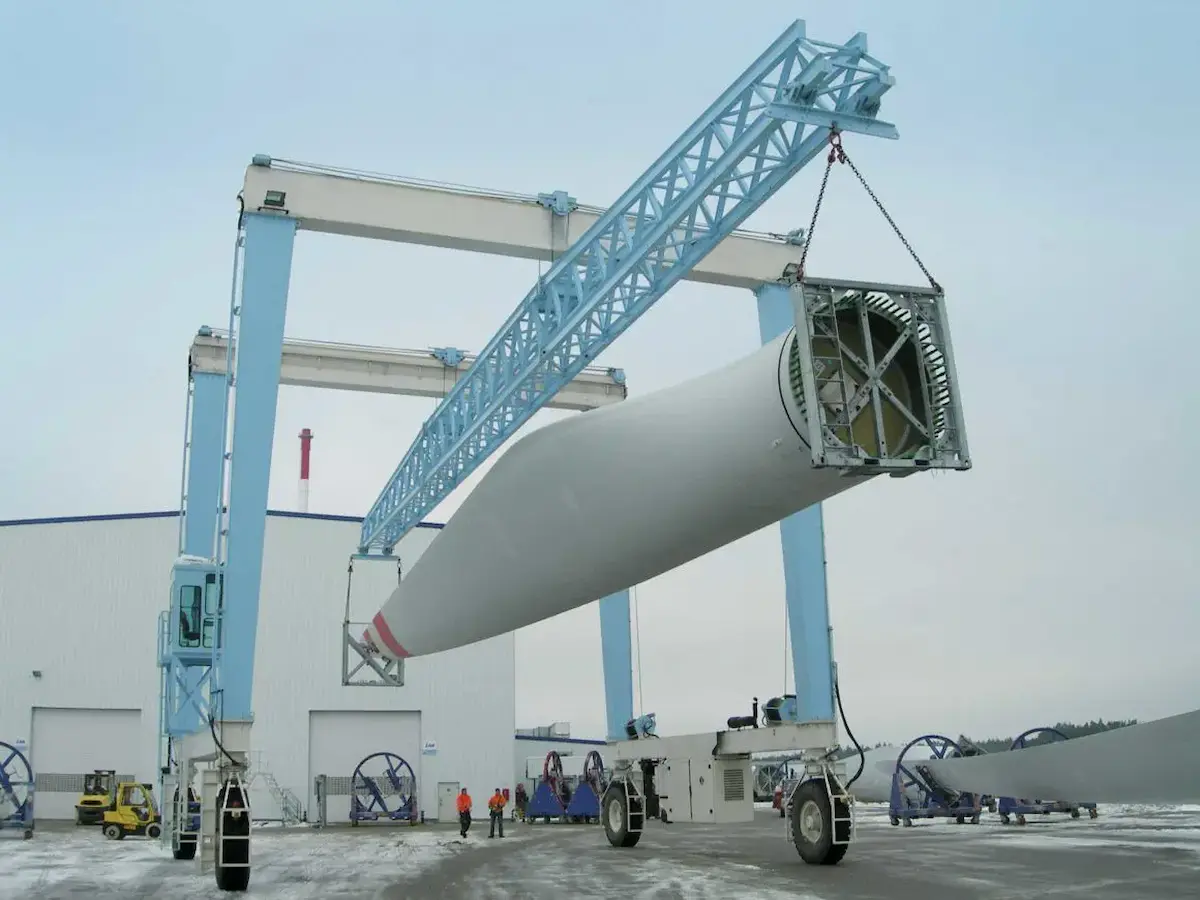
To ensure safe and smooth flow within industrial plants, teams must check five key dimensions. Equipment selection and design stages require thorough verification.
●Physical cargo boundaries: Measure main outer sizes and all exposed lifting lugs. Include maintenance platforms, cooling fans, and temporary support frames. Any missed protruding edge can cause site jamming. Strict measurement is essential here. Always inspect protruding components carefully.
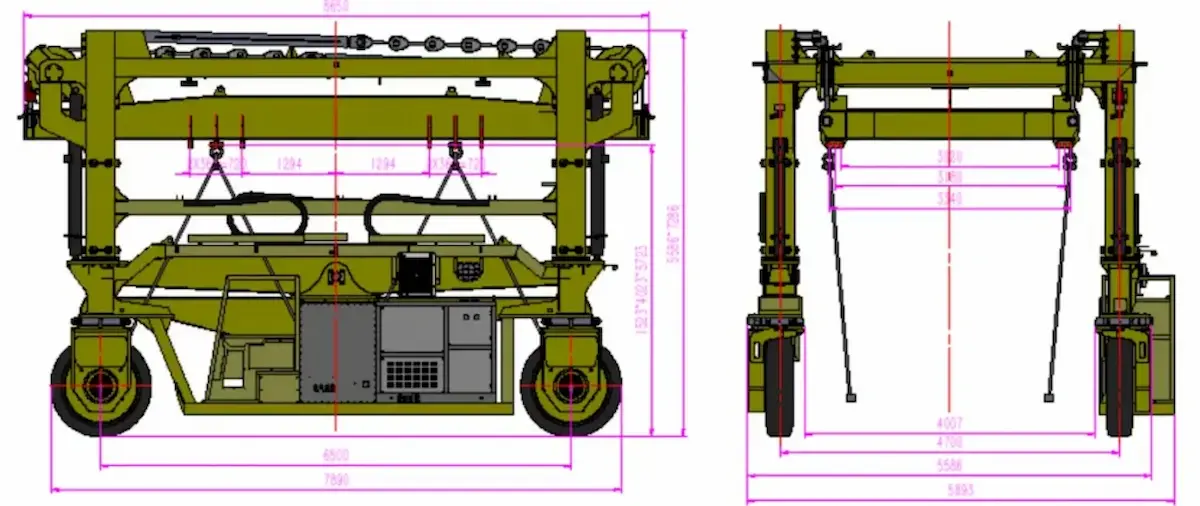
●Gantry internal clearance: The gantry spans and holds cargo securely. Check if inner width exceeds nacelle width plus safety margins. Height must allow sufficient bottom space during lifting operations. Every single centimeter counts. Safety margins prevent costly accidents.
●Support width, spacing, and lifting points: Wind turbine nacelles cannot bear random external pressure. Check interface sizes to match mounting holes. Ensure loads transfer evenly into car structures. Engineers must verify every detail. Proper alignment prevents structural damage.
●Geometric mobility parameters: Narrow turns, gate height limits, and low pipe galleries exist. Total width, height, wheelbase, and turning radius dictate mobility. Operators must review turning limits. These factors define plant passage capability.
●Route clearance and ground conditions: Size checks extend beyond vehicles to route space. Overhead clearance includes gate height, cables, pipes, and crane edges. Ground conditions involve track width, settlement, slope, and weight limits. Detailed surveys prevent road delays. Route evaluation is vital.
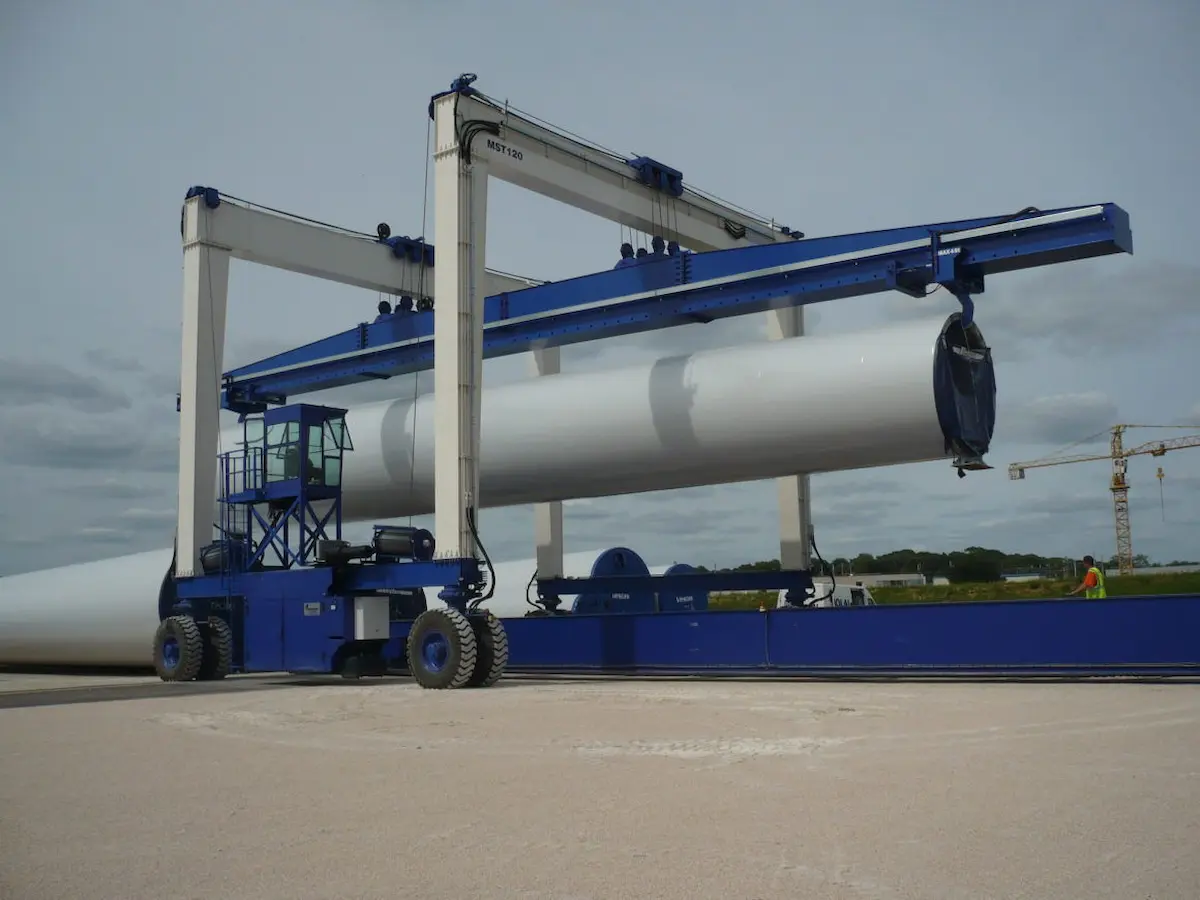
Many projects only use rulers to check dimensions during early stages. They assume passing through gantries and channels guarantees absolute safety. However, paper compliance falls far short of true operational safety. Wind turbine nacelle handling is a complex dynamic mechanical process. Several deep hazards easily emerge during actual operations:
Nominal rated loads of straddle carriers usually refer to upper limits under specific conditions. Actual lifting forces are far more complex than imagined.
●Weight accumulation: Total weight acting on the vehicle includes nacelle weight. It also includes dedicated spreaders, wire ropes, and transition frames.
●Eccentric load and wheel pressure distribution: Internal generators and gearboxes cause asymmetric nacelle mass distribution. Three-dimensional centers of gravity often deviate from geometric centers. This natural eccentric load leads to highly uneven wheel load distribution. Ignoring local wheel overload causes tire wear or frame cracking.
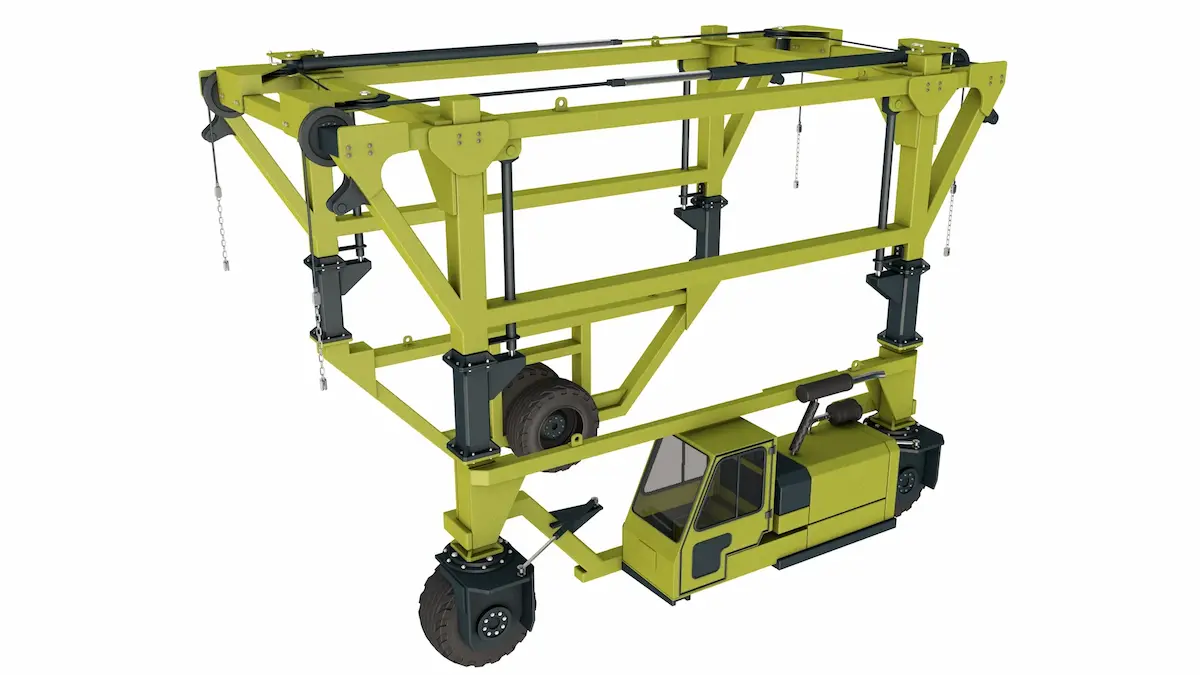
Straddle carriers moving inside plants are never in a perfectly flat static state.
●Dynamic inertia: Centrifugal force during turns and longitudinal inertia during braking generate overturning moments. These moments affect high center of gravity wind turbine nacelles.
●Road interference: Plant roads often feature slopes, settlement, or expansion joints. Carrying heavy nacelles over uneven roads amplifies minor bumps into cargo sway. Engineers must conduct rigorous dynamic and finite element checks for specific conditions. Otherwise, vehicle rollover occurs easily during turns or braking.
Statically measured safety often shrinks under dynamic operating conditions. Do not focus solely on minimum static vehicle clearance.
●Structural deflection and tire deformation: Lifting dozens of tons causes minor elastic gantry deflection. Heavy loads also deform rubber tires significantly.
●Enlarged turning envelope: Inner and outer wheel paths shift during turns. Cargo overhangs sweep across larger spatial envelopes accordingly. Operators face blind spots and minor operational errors. Experienced teams must turn these dynamic variables into adequate safety margins. Never pursue limit passage blindly without proper clearance reservations.
Engineering teams must complete four core steps systematically before placing purchase orders. This helps avoid embarrassments where acquired vehicles fail to enter or move smoothly inside facilities.
●Establish detailed dimension and weight lists: Organize design and manufacturing departments to consolidate all produced nacelle, hub, and baseframe models. Define maximum lengths, widths, heights, exact 3D centers of gravity, lifting points, and outer envelopes. Preventing small missing components avoids jobsite jamming. Careful verification ensures project success.
●Draw 3D spatial envelope diagrams: Perform digital twin or multi-dimensional CAD alignment simulations using intended straddle carrier models. Simulate relative movements during lifting, raising, lowering, and longitudinal straddling. This directly identifies structural interferences and visual blind spots.
●Simulate plant routes and field measurements: Walk through workshops, assembly lines, and finished yards with measurement tools. Measure plant door clearances, lane widths, ground obstacles within turning radiuses, overhead pipe galleries, and foundation load capacities. Ensure wheelbases, turning radiuses, and wheel pressures match infrastructure.
●Define custom engineering, testing, and acceptance requirements: Write dimensional tolerances, eccentric load protections, and spreader interfaces into technical agreements. Require suppliers to provide full finite element analysis reports. Mandate full-load simulation tests and strict factory acceptance standards. This guarantees delivered equipment remains safe for immediate operational use.
Standardized equipment rarely applies directly in wind turbine component handling scenarios. HSCRANE straddle carriers avoid simply scaling up container movers. We deeply customize structural mechanics, anti-tipping systems, and control logic to fit actual working conditions.
●Tailored dimensions based on component profiles: We reject applying standard catalogs. Instead, we customize gantry inner width, net height, and lifting strokes per ISO 4301-1:2016 classification standards. Structural designs strictly follow FEM 1.001 (3rd Edition) Booklet 2 fatigue rules. This ensures structural deflection and local stress stay within safe margins when carrying irregular high-center loads.
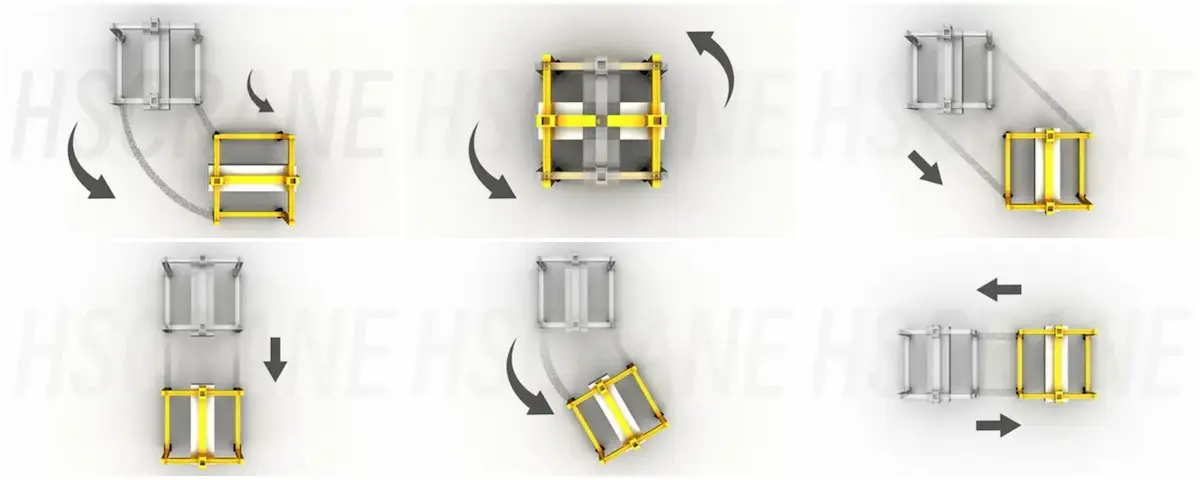
●Flexible steering and site maneuverability: To solve narrow aisles and sharp turns, equipment features straight, diagonal, crab, 90-degree transverse, and 360-degree inline rotation modes. Steering logic and hydraulic synchronization comply with EN 13001-2:2014 requirements regarding dynamic steering and lateral load combinations on uneven roads. This greatly enhances mobility between workshops and storage yards.
●Dedicated load frames and safety controls: We design anti-sway lifting spreaders and flexible interfaces for asymmetric points. Vehicle safety controls meet EN 60204-32:2008 standards, integrating real-time 3D center of gravity monitoring, four-corner anti-tipping protection, and high-precision lifting synchronization. If eccentric loads exceed warning thresholds, systems actively restrict speed and alarm.
●Full technical support: Our engineering team intervenes early, using finite element analysis (FEA) and 3D virtual simulations. We verify plant door clearances, turn radiuses, and ground pressures. Customized solutions strictly observe ISO 12488-1:2012 tolerance rules and full-load factory tests, ensuring immediate site deployment.
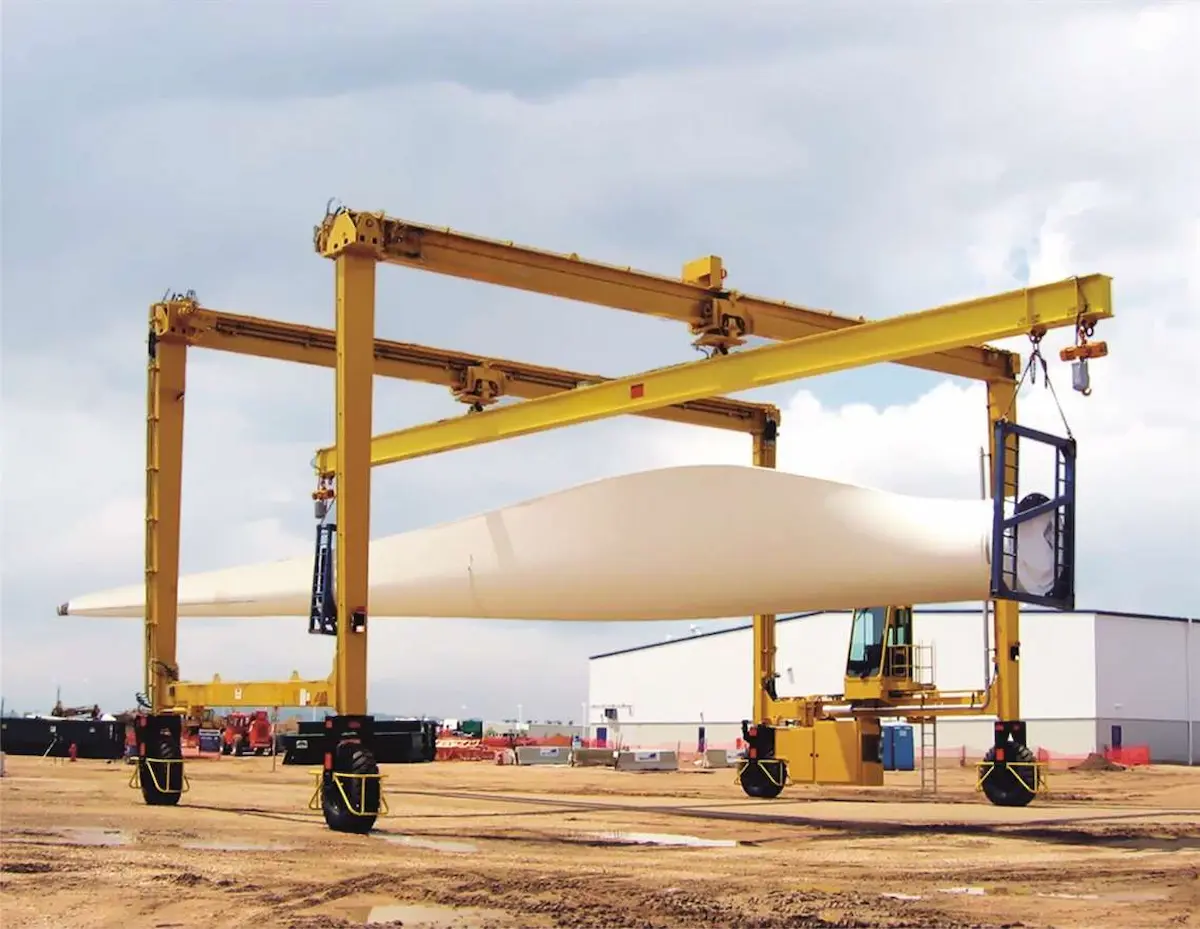
●Project background and customer requirements: Sif Group, a famous European wind foundation and heavy offshore structure manufacturing leader, faced challenges in transferring 8MW–11MW large offshore wind turbine nacelles across workshops in Rotterdam Port, Netherlands. Individual nacelles weigh 110 tons with maximum outer dimensions reaching 18.5m×6.2m×5.8m. Yard roads feature multiple tight 90° turns and a 3% slope.
●Customized equipment solution: HSCRANE delivered a customized 120-ton double-main-beam hydraulic-driven heavy straddle carrier to Sif Group. The gantry features an 7.8m inner net width and 8.5m lifting height, equipped with 8 independently controlled steering wheel sets supporting full crab and Ackermann modes, alongside dedicated lifting beams matching torque arm interfaces.
●Practical application results and quantitative benefits: Upon operation, the machine replaced the original “truck crane and heavy flatbed trailer” combined mode. Cross-workshop transfer time per nacelle dropped from 4.5 hours to 40 minutes, reducing handling labor costs by 60%. It saves the customer over 1.8 million Euros annually in external lifting equipment rental fees, maintaining zero safety accidents.
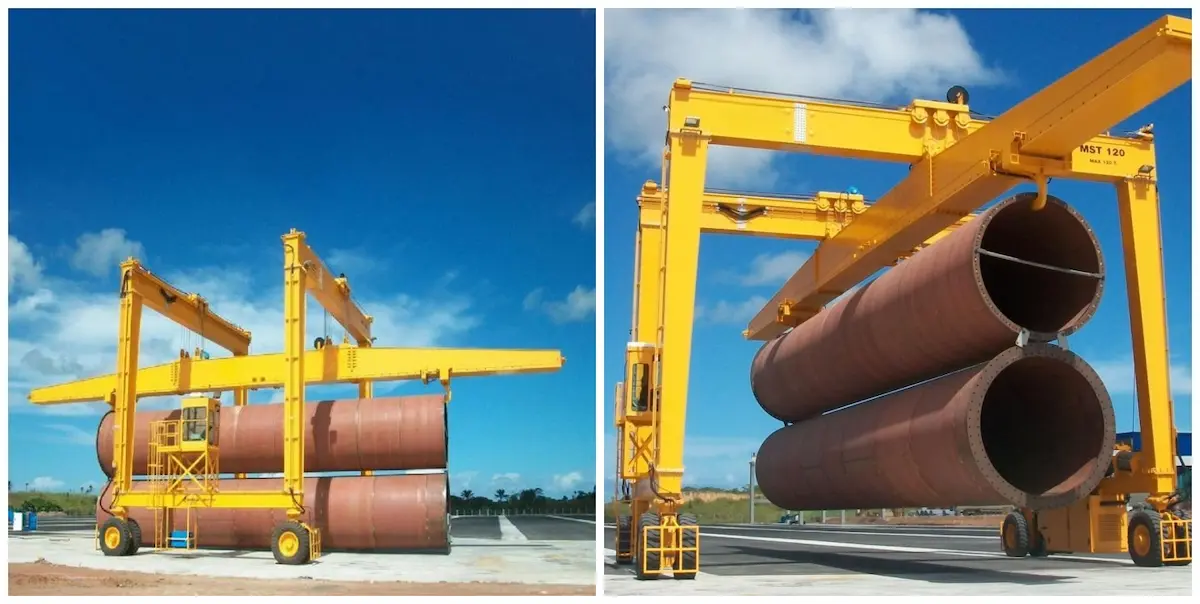
●Project background and customer requirements: Gurin Energy, a prominent Singaporean renewable energy developer, produces 5MW–7MW onshore wind turbines in Southeast Asia. Workshop exits have a net height limit of 7.2m, with narrow aisles bordered by storage areas. Furthermore, nacelle centers of gravity heavily offset toward the generator side, reaching an 18% eccentric load rate.
●Customized equipment solution: HSCRANE built two 80-ton diesel-electric hybrid ultra-low-headroom eccentric-load adaptive straddle carriers for Gurin Energy. Vehicles feature low-profile gantries and foldable lifting mechanisms, capping total travel height within 6.8m. Adaptive dynamic balance suspensions automatically adjust wheel hydraulic pressure real-time to compensate for eccentric load moments.
●Practical application results and quantitative benefits: The straddle carriers successfully navigate restricted workshops and narrow aisles, increasing yard storage space utilization by 35%. The hybrid system reduces comprehensive fuel consumption by 28%. High-precision eccentric load control mitigates uneven tire wear, extending wheel and suspension lifespans by 1.5 times, receiving high acclaim.
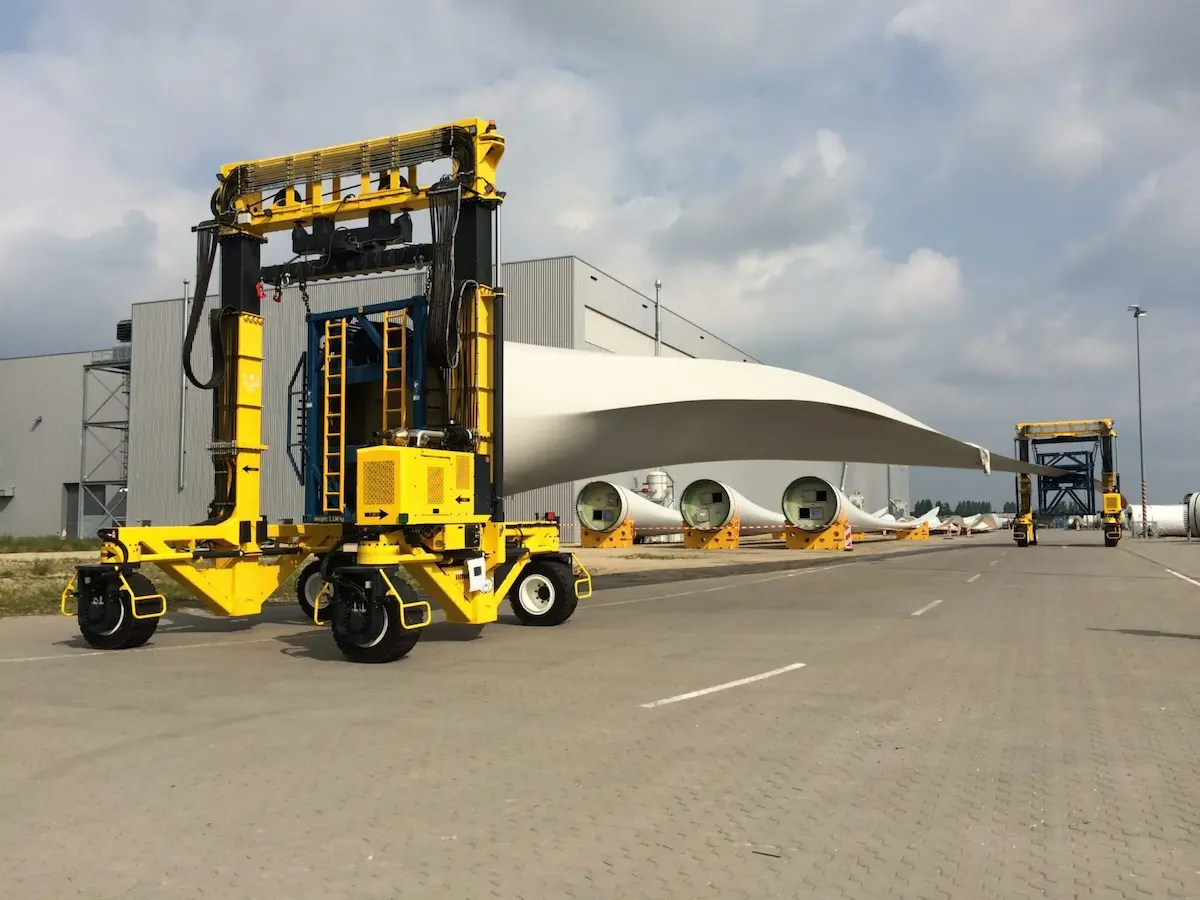
To assist project teams during early communications and solution reviews, we summarized a core checklist. We recommend using this table directly during technical alignment with equipment manufacturers to ensure no parameters are missed:
|
Check Item |
Required Information and Technical Details |
Communication Notes and Field Verification Status |
| Cargo Dimensions | Maximum length, width, height, lifting lugs, and all exposed attachments | Pay special attention to temporary reinforcement frame dimensions. |
| Cargo Weight | Gross weight, 3D center of gravity coordinates, and internal mass eccentricity | Rough estimations using only total machine weight are strictly prohibited. |
| Load Interface | Lifting point spacing, support positions, torque arms, and frame interface sizes | Ensure perfect alignment with straddle carrier spreaders. |
| Equipment Space | Straddle carrier gantry inner width, net height, lifting stroke, and overall size | Must match workshop exits and transfer clearance limits. |
| Transport Route | Plant door clearances, lane widths, turning radiuses, and pipe galleries | Must be based on detailed field measurement data. |
| Site Conditions | Ground bearing capacity, maximum slopes, expansion joints, and surface flatness | Evaluate dynamic wheel pressures and foundation settlement risks. |
| Safety Requirements | Dynamic monitoring, anti-tipping protection, braking performance, and international standards | Must be written into technical agreements as mandatory clauses. |
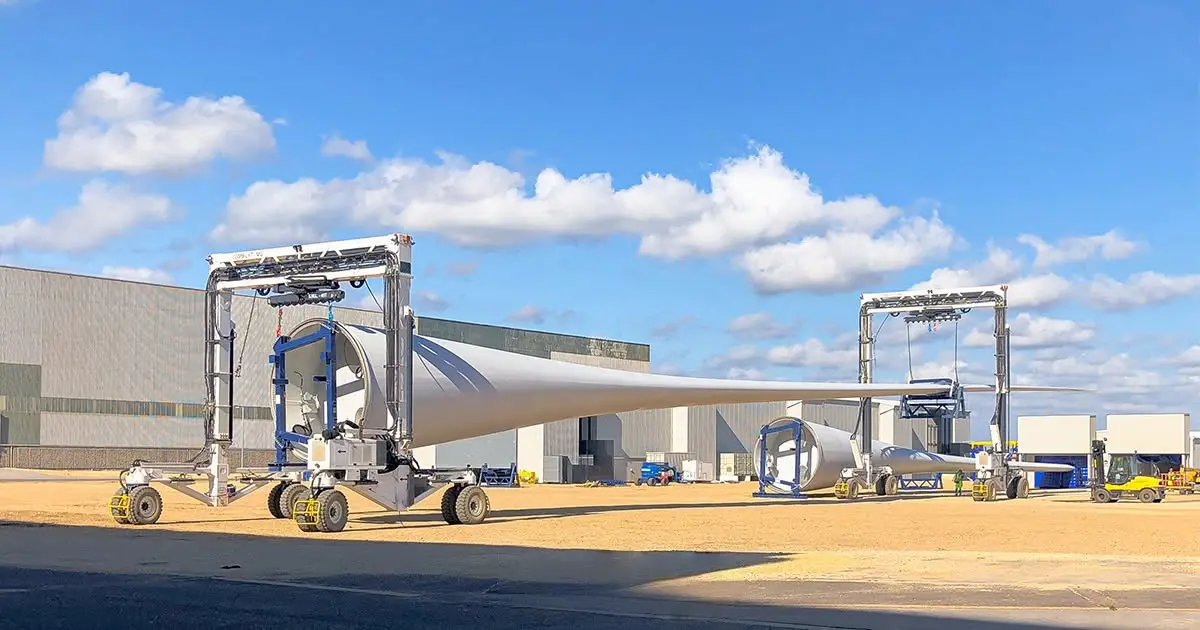
Handling wind turbine nacelles and heavy wind components is never a simple trial of sheer power. Every single phase poses extreme tests for basic logistics equipment designs. These include meticulous early dimension and weight checks, complex mid-term dynamic force verification, and final plant route matching. Blindly believing in rated capacities or copying standard container straddle carrier designs buries severe operational hazards. Only by integrating product profile geometry, dynamic load distributions, and customized engineering can companies clear cross-workshop transfers smoothly. As heavy logistics equipment specialists, HSCRANE follows strict international standards like ISO, FEM, and EN continuously. We build safe, efficient, and reliable straddle carrier solutions for global wind energy customers worldwide. This eliminates heavy material transfer bottlenecks for manufacturing plants.
Start Your Customized Solution Evaluation
Facing transport bottlenecks with special heavy components or having questions about non-standard equipment selection? HSCRANE’s senior engineering team provides support anytime, offering route simulation, spatial envelope analysis, and off-center load calculation. We tailor dedicated evaluation reports and solutions for your site. Click below to talk directly with our technical experts:
[Contact HSCRANE Engineering Team Now for Customized Solutions]
Recommended Reading
In wind energy and heavy component handling, eccentric loads and complex plant roads threaten safety while causing excessive tire wear. Want to learn how to analyze and extend tire lifespan scientifically?
Click to read: [Why Do Straddle Carrier Tire Wear Too Fast? A Step-by-Step Analysis from Load to Road Conditions]
Q1: Why can’t standard container straddle carriers move wind turbine nacelles?
A: Standard container straddle carriers suit regular boxes and fixed corner castings with standardized clearances and strokes. In contrast, wind turbine nacelles feature irregular shapes, dense components, protruding accessories, and severe mass offset. Direct application risks clearance interference, mismatched lifting points, or tipping.
Q2: How do straddle carriers handle eccentric load and off-center issues during nacelle transport?
A: Asymmetric nacelle component distribution creates high eccentric load rates. We design specialized lifting spreaders and hydraulic dynamic balance suspensions that adjust wheel pressure real-time, actively compensating offset torque to maintain balance during operations.
Q3: How do straddle carriers maintain safe transit in narrow, curved, or sloped plant aisles?
A: For complex plant environments, HSCRANE straddle carriers feature all-wheel steering like straight, crab, transverse, and inline rotation modes. They undergo strict EN 13001 dynamic checks for turning forces, while 3D spatial simulations prevent collisions in narrow turns.
Q4: How should companies measure plant routes and ground capacities before purchasing straddle carriers?
A: We recommend a three-step check: measure net heights of workshop doors; simulate turning trajectories using CAD or digital twins; and survey road bearing capacities to evaluate wheel pressure distributions, preventing ground settlement or drain cover collapses.
Q5: What standardized test and acceptance processes apply before delivering HSCRANE straddle carriers?
A: All factory straddle carriers follow ISO 12488-1 standards. We run mock full-load test yards conducting stress, balance, braking, and full-function debugging. Customers receive full FEA reports and witness joint factory acceptance tests onsite.
This document is for reference only. Specific operations must strictly comply with local laws and regulations and equipment manuals.